
Together We Save Lives: Lessons from the PEPFAR Pulse Study
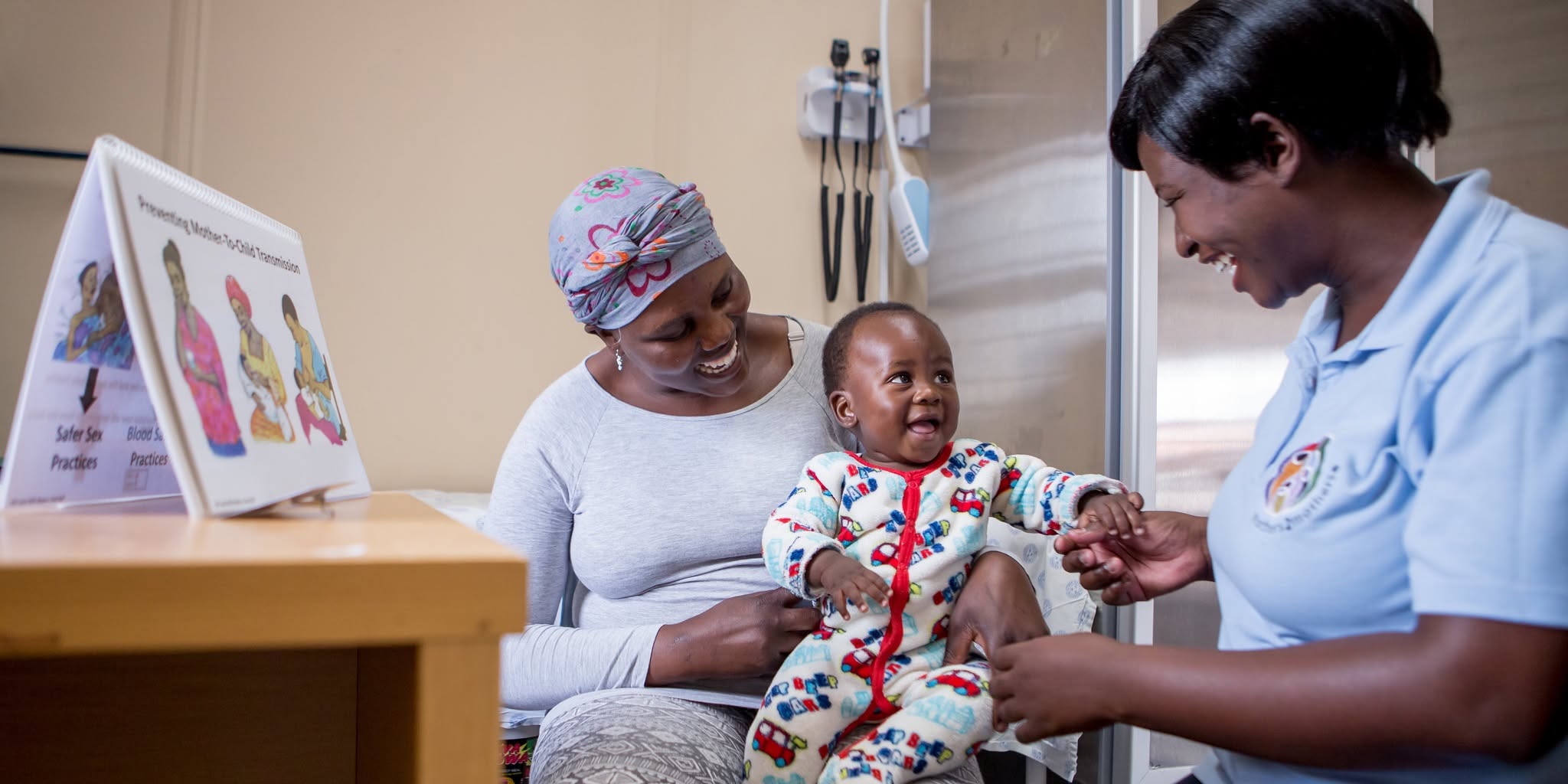
Photo: PEPFAR
Guest opinion
By Masen Davis, Executive Director, Funders Concerned About AIDS, and Jennifer Sherwood, Director of Research, Public Policy Office, amfAR
Over more than two decades, the global HIV response has demonstrated what sustained political commitment, investment, science, and community leadership can accomplish. AIDS-related deaths have fallen dramatically from their peak, millions of people are accessing lifesaving treatment, and programs such as the U.S. President’s Emergency Plan for AIDS Relief (PEPFAR) and the Global Fund have transformed the trajectory of the epidemic.
But progress is not the same as permanence.
The upheaval in U.S. foreign assistance that began in 2025 offered a stark demonstration of how quickly the systems supporting HIV prevention, treatment, and care can begin to unravel when funding is disrupted. Organizations did not simply lose grants. They lost staff, service delivery sites, partners, referral networks, commodities, data systems, and the infrastructure built over decades.
That is one of the clearest lessons from the PEPFAR Pulse Study, which our organizations developed alongside Johns Hopkins Bloomberg School of Public Health and Data, Etc. Drawing on data from 166 PEPFAR implementing partners across 46 countries, as well as PEPFAR expenditure data, the study provides a system-wide picture of what happened as funding and policy changes moved through the HIV response.
The findings give new urgency to the call, Together We Save Lives. Solidarity cannot mean simply filling individual funding gaps as they appear. It means recognizing our shared responsibility for protecting the people, organizations, systems, and infrastructure that make HIV progress possible.
What happens when a system is disrupted
Seventy-seven percent of participating organizations experienced a PEPFAR award termination or payment delay. More than 1,700 service delivery sites closed, and more than 16,000 full-time staff were lost. Among organizations serving key populations, 73% permanently ended at least one service. Forty-three percent of partners permanently stopped at least one prevention service.
Replacement resources have not come close to filling the gap. While some organizations identified new sources of support, 96% said those resources were insufficient to replace their PEPFAR losses.
These are not simply financial losses. They represent a weakening of the infrastructure on which the HIV response depends.
Community-based organizations are particularly important within that infrastructure, and particularly vulnerable to its erosion. They reach people larger systems often miss. They build trust with communities that may face stigma, discrimination, or criminalization. They provide prevention, advocacy, outreach, and services that may not survive as financing shifts toward governments or are integrated into broader health systems.
Local organizations were more likely than international organizations to experience award terminations and prevention and services for key populations were among the areas hit hardest.
No one actor can do this alone
The HIV response has always depended on different actors playing different roles: governments, multilateral institutions, philanthropy, researchers, implementing organizations, advocates, and communities themselves. None can substitute for all the others.
Governments remain indispensable to financing the HIV response at scale. Philanthropy cannot replace PEPFAR or other major public investments, nor should it be expected to.
But philanthropic funding can move flexibly, protect work that other financing systems are unlikely to sustain, take risks, support advocacy and community power, and provide critical support during periods of transition.
Governments and institutions shaping the next era of HIV financing have a responsibility to ensure that transition does not mean losing the very infrastructure that has made progress possible.
The question, then, is not simply who will replace lost funding.
It is: What must we collectively protect now so that decades of progress are not lost—and so that the HIV response that emerges from this transition is stronger, more equitable, and more sustainable?
Supporting what comes next
Findings from the PEPFAR Pulse study underscore that while all areas of the response were disrupted in 2025, community-based service delivery and services for key populations face the highest risk.
These risks will escalate as the HIV financing landscape evolves. As more financing moves toward national governments and HIV services are integrated into broader health systems, specialized prevention, rights, advocacy, and key population programming may be particularly vulnerable without deliberate safeguards.
The lesson is not simply to try to replace what has been lost, but to be deliberate about what must be protected through this transition. That includes community-based infrastructure, specialized services, advocacy, and the trusted relationships with communities that keep them engaged in care.
From promise to shared responsibility
PEPFAR has demonstrated what sustained political commitment and investment can accomplish. More than 25 million lives have been saved through the program, alongside enormous gains in treatment, prevention, health infrastructure, and local capacity.
PEPFAR Pulse shows the other side of that lesson: progress built over decades can be put at risk remarkably quickly when the systems sustaining it are disrupted.
That makes Together We Save Lives more than an expression of solidarity.
Governments must sustain their commitments and protect the infrastructure required for an effective HIV response. Philanthropy must use its flexibility, resources, and influence where they can make the greatest difference. Donors must coordinate rather than retreat in isolation. And communities must have the power and resources to shape the decisions that determine their futures.
The global HIV response has already shown what collective commitment can achieve. The challenge now is to ensure that a period of disruption does not become a permanent reversal, and to use this moment to build a response capable of carrying that progress forward.
A promise alone is not enough. Saving lives together requires deciding, together, what we will protect – and then acting on that commitment.
This blog is part of TOGETHER WE SAVE LIVES – THE GLOBAL FUND: FROM FINANCIAL CONTRIBUTIONS TO IMPACT, a joint campaign by the Global Fund Advocates Network (GFAN), Alliance for Public Health (APH) and Action against AIDS Germany.
The views expressed are those of the authors and do not necessarily reflect the positions of all campaign partners.